Smart Meters Still Need Meter Seals. Here’s Why
Why do smart meters need meter seals?
Why Do Smart Meters Need Meter Seals?
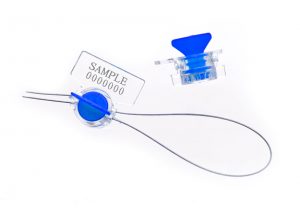
Smart meters monitor consumption and detect unusual activity, but they cannot always show whether someone physically accessed the meter.
A tamper-evident meter seal provides visible evidence of unauthorized access and helps utilities improve inspection, accountability, and revenue protection.
Smart meters have changed how utilities monitor electricity, gas, and water consumption. They can send readings remotely, detect unusual activity, and reduce the need for manual inspections.
But there is one thing a smart meter cannot do by itself: show whether someone has physically accessed the meter. That is where a meter seal still matters.
What Does a Meter Seal Do?
A meter seal is a tamper-evident device used to secure access points on utility meters. When installed correctly, it provides visible evidence if the meter has been opened, disconnected, or interfered with.
The principle is simple. An intact seal provides confidence that there is no obvious sign of unauthorized access, while a broken or missing seal tells an inspector that something needs to be checked. Makes sense?
That makes a meter seal more than a small piece of plastic or metal. It provides physical accountability at the point where it matters.
Why Smart Meters Do Not Replace Meter Seals
Smart meters are good at monitoring data, but data and physical security are different things.
A utility may receive perfectly normal consumption readings while someone has physically accessed the meter. Digital monitoring can identify unusual patterns, but it cannot always prove what happened at the meter itself.
Here’s why that matters: a tamper-evident meter seal adds a physical layer of evidence that digital monitoring cannot provide on its own. It helps answer a basic question: has someone physically accessed the meter?
That matters for electricity, water, and gas utilities because unauthorized access can lead to revenue loss, inaccurate readings, safety concerns, or lengthy investigations.
Meter Seals Make Inspections Easier
Utilities may have thousands or even millions of meters spread across large service areas. Inspectors therefore need a practical way to identify potential problems without treating every installation as suspicious.
A visible meter seal provides that first checkpoint. During an inspection, technicians can check for broken or missing seals, damaged locking mechanisms, incorrect seal numbers, or signs that a seal has been replaced.
If something does not match the records, the meter can be investigated further. Why make an inspector’s job harder than it needs to be? A simple visual check can quickly identify which meters deserve closer attention.
Serial Numbers Add Accountability
For large utility networks, a numbered meter seal provides another layer of control.
A seal number can be associated with a particular meter, location, technician, or service record. If the number recorded during installation does not match the number found during a later inspection, there is a clear discrepancy to investigate.
This is where the meter seal becomes part of a larger security process. The seal provides the physical evidence, while the record provides the history.
Together, they give utilities a clearer picture of what happened and when. For large field operations, that kind of accountability is difficult to replace with a simple visual inspection alone.
Choosing the Right Meter Seal
Not every utility installation has the same requirements. Outdoor meters may need materials that can withstand weather and UV exposure, while high-volume field operations may prioritize quick installation. Other applications may require customized numbering, branding, or a specific locking design.
| Security Layer | What It Does |
|---|---|
| Smart meter | Monitors consumption and sends data |
| Meter seal | Shows evidence of physical access |
| Serial number | Identifies and tracks the seal |
| Inspection record | Documents the seal’s history |
So, what should utilities look for when selecting a meter seal?
- Material durability
- Tamper evidence
- Ease of installation
- Seal strength
- Numbering and identification
- Environmental conditions
- Required quantities
- Replacement procedures
The cheapest seal is not necessarily the cheapest option in practice. If it breaks during normal handling or makes tampering difficult to identify, the utility may end up paying for additional inspections, replacement visits, and investigations.
That is where a small difference in unit price can become a much larger operational cost.
Why Meter Seal Quality Matters
A meter seal costs very little compared with the equipment and revenue it helps protect, but that does not mean quality should be overlooked.
A poorly designed seal can break during installation, become difficult to inspect, or provide weak evidence after tampering. The real objective is therefore not simply to buy a seal. It is to establish a sealing process that technicians can repeat correctly across thousands of installations.
That means choosing the right seal, installing it consistently, and keeping accurate records. In other words, the seal is one part of a larger security process, not the entire process itself.
Physical Security Still Has a Role
Utility technology will continue to improve. Smart meters, remote monitoring, and analytics will become even more capable, but physical access will remain a physical problem.
A smart meter can tell a utility what happened to consumption. A meter seal can help show whether someone accessed the meter.
They perform different jobs, and that is why one does not replace the other.
For organizations looking to improve tamper detection and field accountability, Acme Seals provides customizable security sealing solutions for high-volume utility applications.
Looking for the right meter seal for your operation? Contact Acme Seals to discuss your requirements.