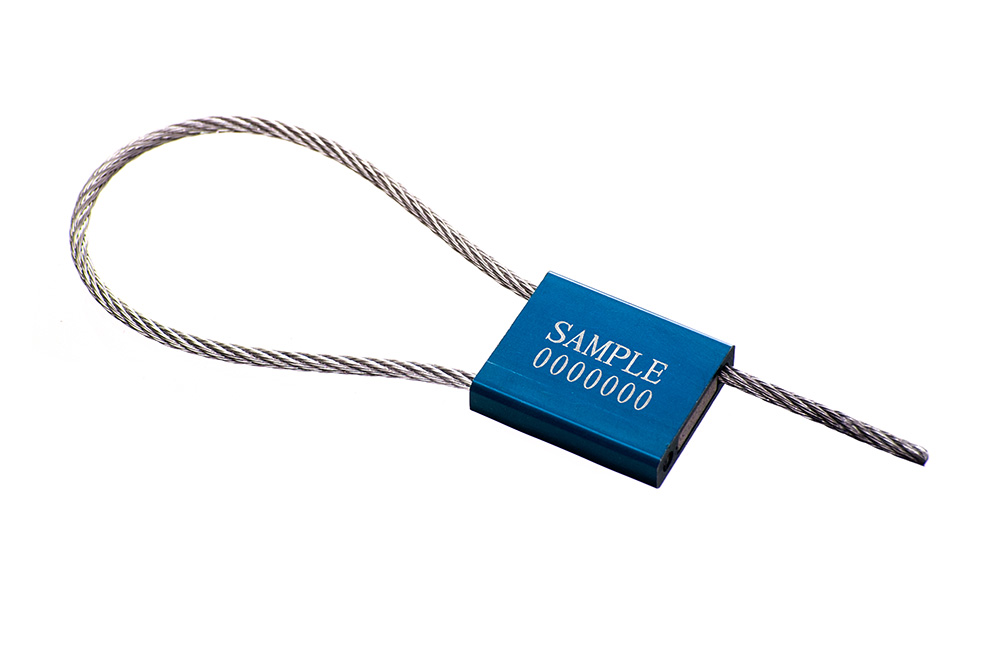
Acme offers ISO17712:2013 (E) Cable Seals for extra security
There is a specific feeling every logistics manager knows. It’s that moment when the container doors swing shut, the bolt slides home, and the seal clicks into place. You watch the truck pull away from the dock, and for a split second, you wonder: Is that cargo actually going to make it there intact?
In an industry where cargo theft is becoming smarter and bolder, that anxiety is real. A standard plastic seal might look official, but does it actually stop a determined thief? Often, the answer is no.
That is where Acme comes in. We aren’t just selling a lock; we are offering the Acme CS1-D Cable Seal. It’s a heavy-duty, ISO-certified beast of a seal designed to make sure that when your goods leave your warehouse, they arrive at their destination exactly as you packed them.
Let’s break down why this specific seal is the upgrade your supply chain has been waiting for.
The “H” Mark: It’s More Than Just a Letter
If you dig into the paperwork of shipping regulations, you’ll see the code ISO17712:2013 (E) pop up a lot. It sounds like boring regulatory jargon, but it is actually the most important feature of the CS1-D.
Think of ISO17712 as the “major leagues” of cargo security. To play in this league, a seal has to pass brutal testing—we’re talking impact tests, shear tests, and pull tests.
Because the Acme CS1-D passed these tests with flying colors, it carries the (H) High Security classification.
Why should you care about the (H)?
-
Customs Loves It: If you are shipping internationally, specifically into the USA, you need to comply with C-TPAT (Customs-Trade Partnership Against Terrorism). C-TPAT requires High Security seals. Using the CS1-D makes your shipment look like a “trusted traveler” to customs agents, reducing the risk of your container getting stuck in a days-long inspection hold.
-
It Scares Thieves: Professional thieves know what to look for. When they see the (H) mark and the robust build of the CS1-D, they often move on to an easier target. It acts as a visual deterrent before they even try to touch your goods.
Built Tough: Die-Cast Aluminum vs. The Elements
Have you ever walked through a shipping yard and seen old seals that look cracked, sun-bleached, or rusty? That is a security risk waiting to happen.
We built the CS1-D differently. The locking head is crafted from high-standard Die-Cast Aluminum.
We chose aluminum for a reason. It is incredibly tough, but it doesn’t rust like cheap steel, and it doesn’t get brittle in the freezing cold or melting heat like plastic does. Whether your container is traveling through the humidity of the Panama Canal or the freezing winters of Northern Europe, the locking body remains compromised.
Plus, the way we cast the aluminum makes it “tamper-evident.” If someone tries to smash it with a hammer or pry it open with a tool, the metal deforms in a very obvious way. You will know immediately upon inspection if someone has tried to mess with your load.
The Secret Weapon: Non-Preformed Cable
Here is where we get a little technical, but trust me, this is the coolest part of the seal.
Most cable seals on the market use “preformed” wire. This means if you cut the cable, the wire strands stay neatly together. While that looks tidy, it’s a security flaw. A smart thief can cut the cable, remove your goods, and then use superglue or specialized tools to put the cable back together. It might look untouched to the naked eye.
The Acme CS1-D uses Non-Preformed cable.
Imagine cutting a tensioned rope and watching the ends explode outward. That is what happens when you cut our non-preformed cable. The individual wire strands splay out wildly.
Once that cable is cut, there is no putting the genie back in the bottle. You cannot re-thread it. You cannot glue it back together. The evidence of tampering is chaotic, obvious, and undeniable. This feature alone provides a layer of integrity that standard seals just can’t match.
Your Choice: Galvanized vs. Stainless Steel
We know that one size rarely fits all in logistics. That’s why we offer the cable in two distinct material options.
1. Non-Preformed Galvanized Steel
This is the industry standard for a reason. It’s strong, it’s reliable, and it’s cost-effective. If you are shipping general goods and want a significant upgrade from plastic seals without blowing the budget, this is a solid choice.
2. Non-Preformed Stainless Steel (The Premium Choice)
If you are shipping high-value electronics, pharmaceuticals, or sensitive data, you want the Stainless Steel option.
Why upgrade? Stainless steel isn’t just rust-proof; it is significantly harder to cut. It requires heavier, more specialized bolt cutters to remove. It also offers superior resistance to corrosive environments (like sea spray). It’s the difference between a standard padlock and a bank vault.
Peace of Mind is Priceless
At the end of the day, a seal is a tiny fraction of your shipping cost. But that tiny device is responsible for protecting tens or hundreds of thousands of dollars in inventory.
Cutting corners on seals is like buying a Ferrari and parking it in an unlocked garage. It just doesn’t make sense.
By choosing the Acme CS1-D, you aren’t just buying a cable seal. You are buying:
-
Compliance with global ISO and C-TPAT standards.
-
Durability that withstands harsh global weather.
-
Intelligence in design that exposes tampering instantly.
Ready to Lock It Down?
We know there are a lot of options out there, and navigating the world of ISO certifications can be a headache. We are here to make it simple.
If you want to feel that sense of relief when you close your container doors, knowing you’ve done everything possible to secure your goods, let’s talk.
Contact the Acme team today. Whether you need advice on the Galvanized vs. Stainless option, or you just want to grab a quote, we’re ready to help you tighten up your security.