Made in the UK Still Matters: The Hidden Risk of Anonymous Seal Suppliers
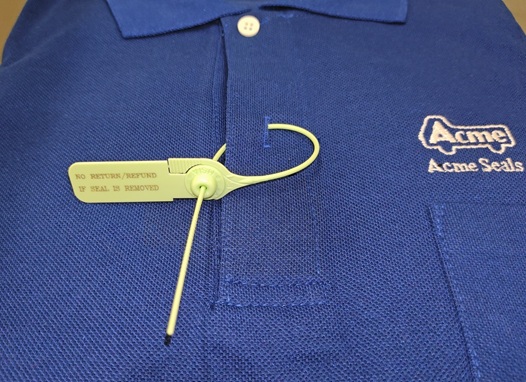
The Cheapest Seal Can Become the Most Expensive Mistake
Procurement decisions rarely feel dramatic. A security seal looks simple. Small piece of plastic or metal. Low cost. Easy reorder. Tick the box and move on.
But here is the uncomfortable reality logistics managers and procurement heads are starting to face.
Not all seals are equal.
Not all suppliers are accountable.
And not every product entering your supply chain is traceable to a trusted manufacturing origin.
In recent years, global logistics has seen a quiet surge of anonymous seal suppliers entering the market. Generic online vendors appear overnight, offer aggressive pricing, and disappear just as quickly. The product arrives, it looks acceptable, and operations continue without hesitation.
Until compliance fails.
When a customs officer questions seal authenticity or a shipment dispute begins, procurement suddenly discovers the real risk was never the cargo. The risk was the supplier behind the seal.
This is why Made in the UK still matters — and why experienced logistics professionals are returning to verified manufacturing origins.
The Rise of Anonymous Seal Suppliers
Global sourcing has changed procurement behavior. Digital marketplaces allow buyers to source seals from unknown factories with minimal verification. Listings promise compliance. Certificates appear legitimate. Pricing feels irresistible.
But anonymity creates three dangerous gaps.
1. No Manufacturing Accountability
When seals come from unidentified producers, there is no clear manufacturing chain. No audit trail. No historical production standards. No assurance that materials remain consistent between batches.
One shipment may perform perfectly. The next batch may snap under tension, fade under UV exposure, or fail tamper evidence entirely.
Procurement rarely detects this until failure reaches the field.
2. Compliance Documents Without Substance
Many anonymous suppliers provide certificates copied from unrelated manufacturers or outdated testing reports. On paper, everything looks compliant.
During real inspections, authorities do not evaluate appearance. They verify legitimacy.
If origin verification fails, the shipment—not the supplier—faces scrutiny. Compliance responsibility always returns to the importer or shipper.
3. Supply Chain Reputation Exposure
Modern logistics operates on trust signals. Ports, customs agencies, and major carriers quietly track consistency. Reliable exporters move faster because their processes demonstrate credibility.
Unknown sealing sources introduce uncertainty. Even without proven wrongdoing, uncertainty alone can trigger inspections, delays, and documentation reviews.
Procurement saves cents but risks operational credibility worth millions.
Why Manufacturing Origin Still Protects Your Business
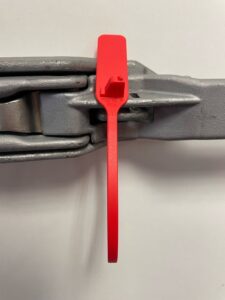
There is a reason many global logistics organizations continue prioritizing UK-manufactured security products.
The United Kingdom built its industrial reputation on standardization, quality assurance, and regulatory discipline. Manufacturing transparency remains embedded in that culture.
When seals are produced under verified UK manufacturing systems, several advantages immediately appear.
Traceability You Can Defend
Every seal becomes linked to a known production environment. Batch control, material sourcing, and quality testing follow documented procedures. If questions arise, answers exist.
Procurement gains defensible evidence instead of uncertainty.
Consistency Across Shipments
Reliable manufacturing eliminates performance variation. The seal applied today behaves the same as the seal applied six months from now.
Consistency is not convenience. It is risk control.
Regulatory Confidence
Customs authorities recognize trusted manufacturing origins. A verified seal signals operational maturity. It tells regulators the shipper understands compliance responsibility.
That confidence reduces friction throughout international movement.
The Hidden Procurement Risk Nobody Talks About
Procurement teams often evaluate suppliers using price comparison spreadsheets. Unit cost becomes the dominant decision factor.
But the real cost equation looks different:
- Shipment delay penalties
- Investigation time
- Insurance disputes
- Client confidence loss
- Reputational damage
A compromised or questionable seal rarely causes immediate disaster. Instead, it introduces silent operational risk that accumulates over time.
The seal is small. The exposure is enormous.
Experienced logistics managers know security equipment is never just a purchase. It is a compliance decision.
Why Established Manufacturing Heritage Still Wins
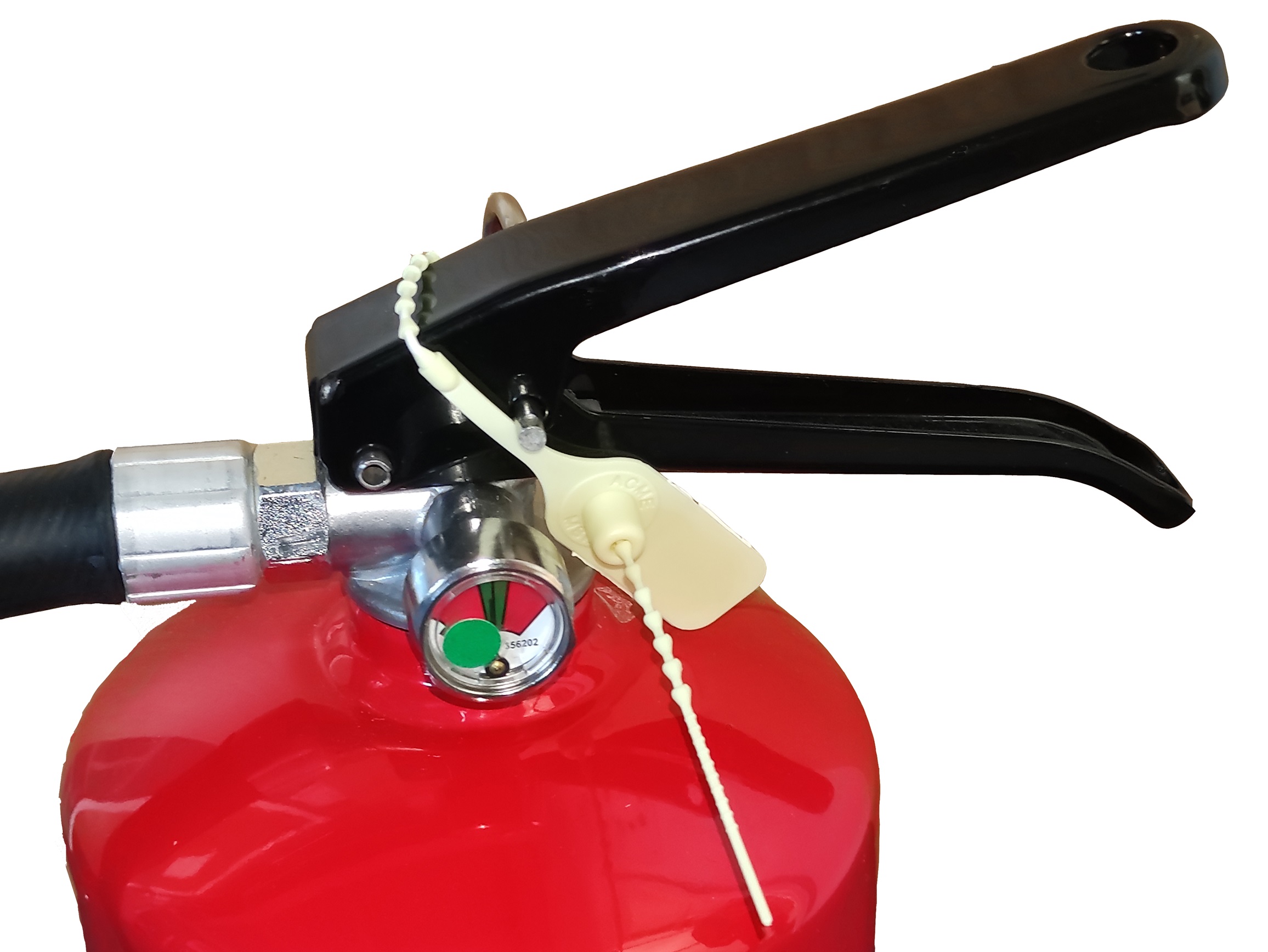
Companies like Acme Seals, founded in 1884 in the United Kingdom, represent something increasingly rare in modern sourcing — continuity.
More than a century of manufacturing history creates institutional discipline. Processes evolve, technology improves, but accountability remains constant.
When we manufacture seals under long-established quality systems, procurement teams gain more than a product.
We provide assurance that:
- Production standards are controlled
- Materials meet verified specifications
- Tamper evidence performs reliably
- Documentation stands up to audit scrutiny
In a world filled with anonymous suppliers, heritage becomes a form of security.
Real Procurement Reality: When Things Go Wrong
Imagine a container arriving at port inspection. Documentation looks correct. Cargo is declared properly. Then an officer notices the seal type is unfamiliar.
Verification begins.
The supplier cannot be contacted. Certification cannot be validated. Manufacturing origin cannot be confirmed.
The container moves to secondary inspection.
Days pass. Demurrage costs accumulate. Customers demand explanations. Procurement suddenly becomes part of an operational crisis.
This scenario happens more often than many companies admit publicly.
The problem is rarely intentional fraud. The problem is sourcing without visibility.
The Strategic Shift Smart Procurement Teams Are Making
Forward-thinking procurement leaders are changing how they evaluate suppliers.
Instead of asking “Who is cheapest?” they ask:
- Who manufactured this product?
- Can origin be audited?
- Will documentation survive compliance review?
- Does this supplier still exist five years from now?
Security seals now sit inside broader ESG, compliance, and risk-management frameworks.
Reliable sourcing is no longer optional. It is operational insurance.
Protect the Supply Chain Before the Inspection Happens
Logistics success today depends on predictability. We cannot control every external risk, but we can control the integrity of the tools we choose.
Choosing verified UK-manufactured seals is not nostalgia. It is modern risk management.
When procurement partners with an accountable manufacturer, we remove uncertainty from one of the most critical checkpoints in global logistics — proof that cargo remained secure throughout transit.
We believe security seals should never become the reason a shipment is questioned.
If your organization wants to eliminate procurement exposure, strengthen compliance confidence, and avoid the hidden dangers of anonymous suppliers, now is the time to review your sourcing strategy.
Talk to the Acme Seals UK or Malaysia team today and discover how trusted manufacturing origin can quietly protect every shipment you move worldwide.
Because in global trade, trust is not built at the port.
It begins with who made the seal.